
Key Details
Val d’Isère, Savoie, French
This enquiry is taking longer than expected.
Please close this message and click “Submit” again.
General Regional Location
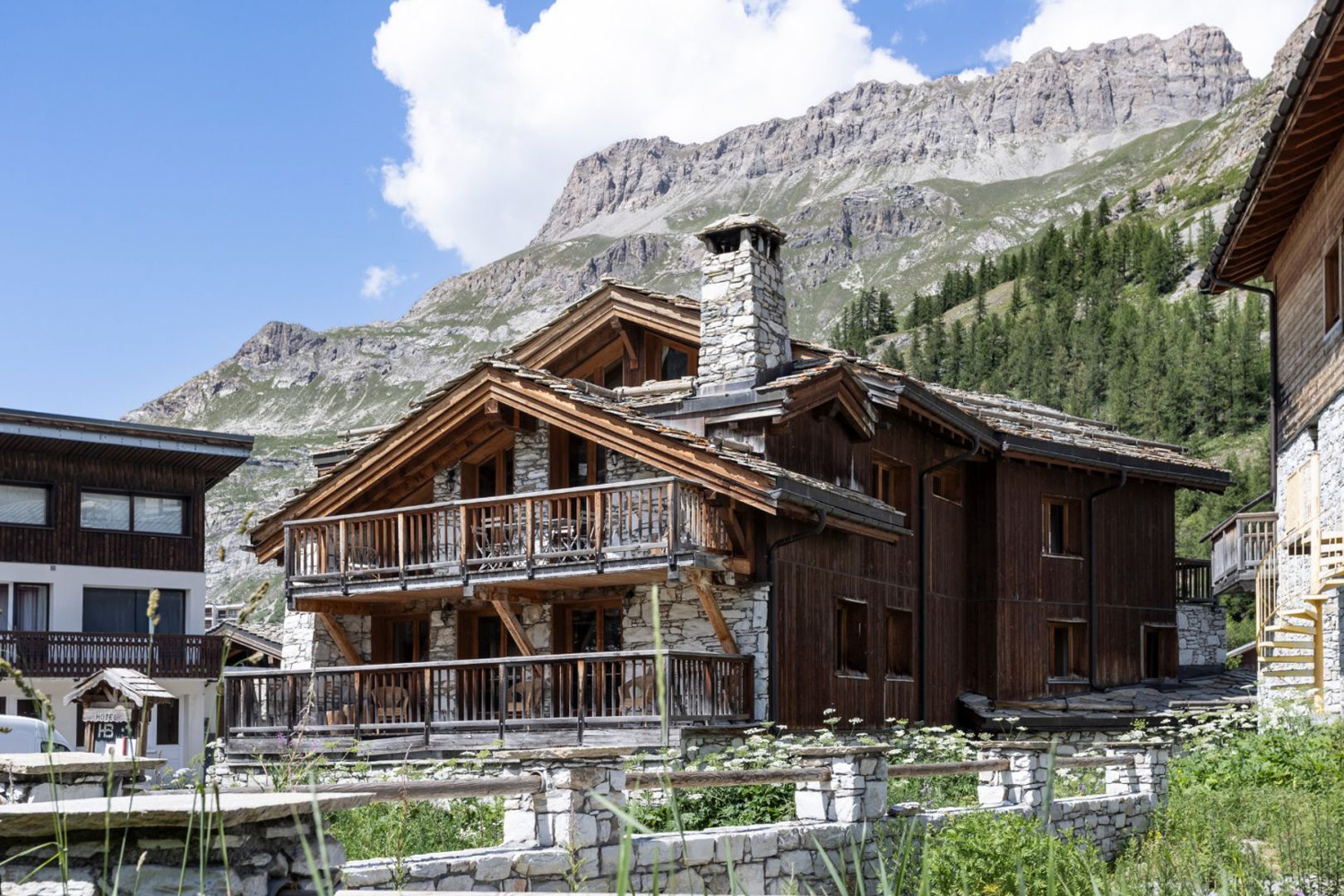
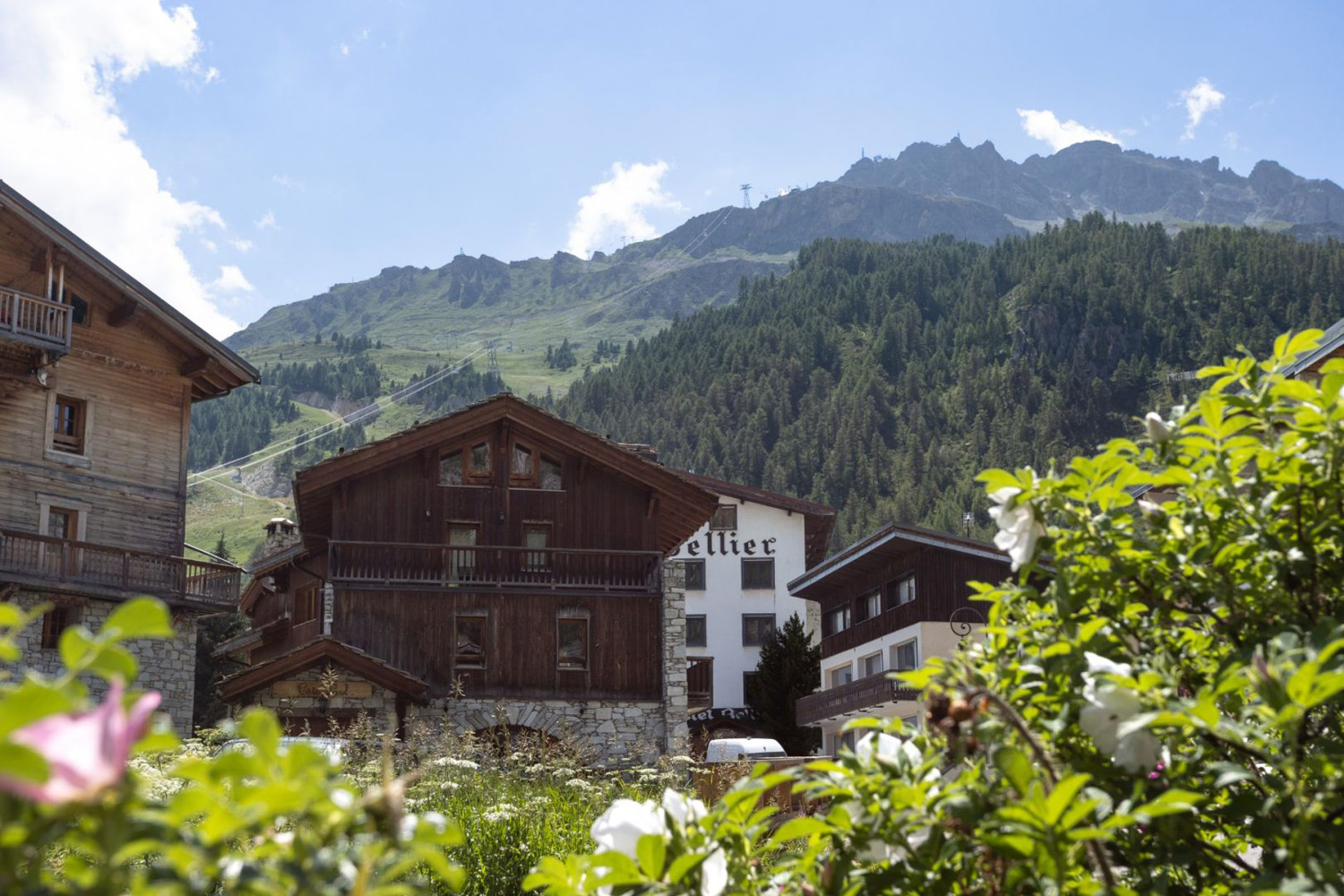
Set in the upper Tarentaise Valley in Savoie, Val d’Isère occupies one of the most desirable high-mountain settings in the French Alps. Together with neighbouring Tignes, it forms a ski area offering 300 km of slopes, with the village itself sitting at around 1,850 metres. The wider landscape is defined by dramatic alpine scenery, from high peaks and forested slopes to glaciers, open summer meadows and the protected natural environment of the Vanoise National Park. Official local sources describe the park as a vast 535 sq km area of glaciers, valleys and remarkable flora and fauna.
Val d’Isère works as a genuine four-season destination, with skiing and snow sports at its heart during the colder months, and hiking, cycling and mountain pursuits taking over in summer. The surrounding area is also noted for wildlife including ibex, chamois, marmots, golden eagles and bearded vultures, all of which add to the richness of the setting.
Val d’Isère
Val d’Isère remains one of the Alps’ most established and internationally recognised resorts, combining serious ski credentials with the atmosphere of a proper mountain village. The centre offers a strong mix of restaurants, from refined French dining to Savoyard classics and international cuisine, alongside sports shops, mountain fashion boutiques, souvenir stores and food shopping. The village is also well known for its lively social side, with bars, clubs and late-night venues giving it one of the stronger nightlife scenes in the French Alps. Free resort shuttles run throughout both winter and summer, making it easy to move around without relying on a car.
Foreign buyers: in broad terms, non- residents can buy property in France, but tax, inheritance and financing implications vary by nationality and personal circumstances, so specialist legal and tax advice is recommended before exchange.
With most new-build apartments, the transaction is usually documented through VEFA (sale in future state of completion). Buyers typically sign a reservation contract, benefit from a 10-day cooling off period, and then complete before a notaire, who authenticates the deed. VEFA payments are generally staged by construction process.
On a new-build purchase in France, acquisition costs are typically lower than resale property, often around 2-3% rather than 7-8% in the older market. Ongoing ownership costs can include taxefonciere, coproipriete charges and insurance; taxe d’habitation may also apply to second IFI (French real-estate wealth tax).
Please ask again for details regarding taxes etc.
 Enquire about this property
 Floorplans


